
Trailer interchange
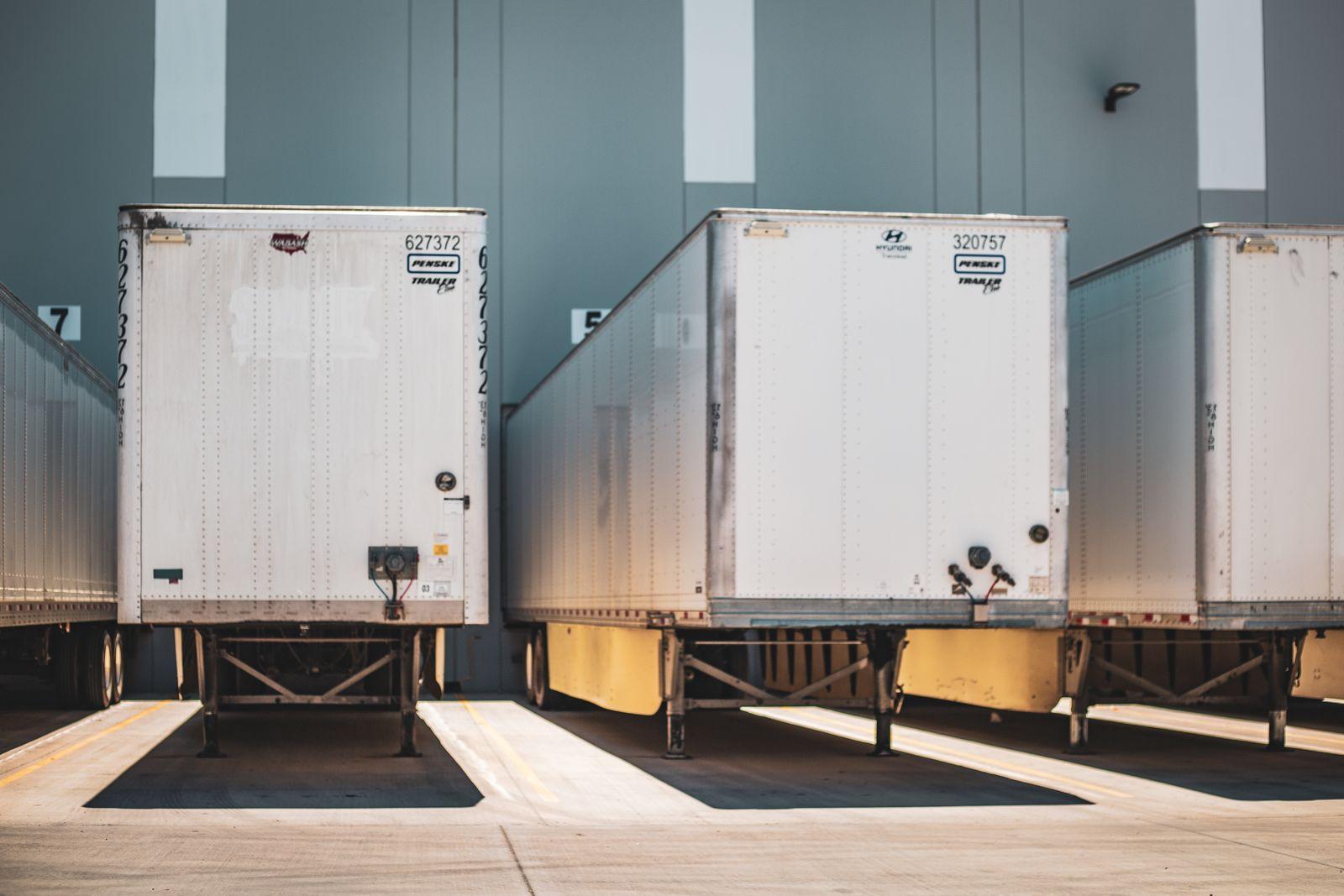
Pays for damage to a trailer you do not own while you are pulling it under a written interchange agreement.
Requirement
Required by the interchange agreement you sign. The agreement usually names the minimum limit per trailer.
What it pays for
- Collision damage to an interchanged trailer
- Fire, theft, and vandalism to that trailer, on most policies
- Loss of use charges the trailer's owner bills you, on some policies
What it leaves out
- Trailers you pull without a written interchange agreement (ask about non-owned trailer cover)
- Your own trailers (that is physical damage)
- The freight inside
Who needs it
Carriers who swap trailers with other carriers, including intermodal and drop-and-hook work.
Common questions
Is trailer interchange the same as non-owned trailer coverage?
No. Trailer interchange applies only when there is a written interchange agreement. Non-owned trailer physical damage covers trailers you pull without one.
Put trailer interchange on your ticket
Tell us your rig and we’ll quote it with the rest of your coverage.