

Trucking insurance, line by line
Eight coverages make up most trucking policies. Here is what each one pays for, what it leaves out, and who usually has to carry it.
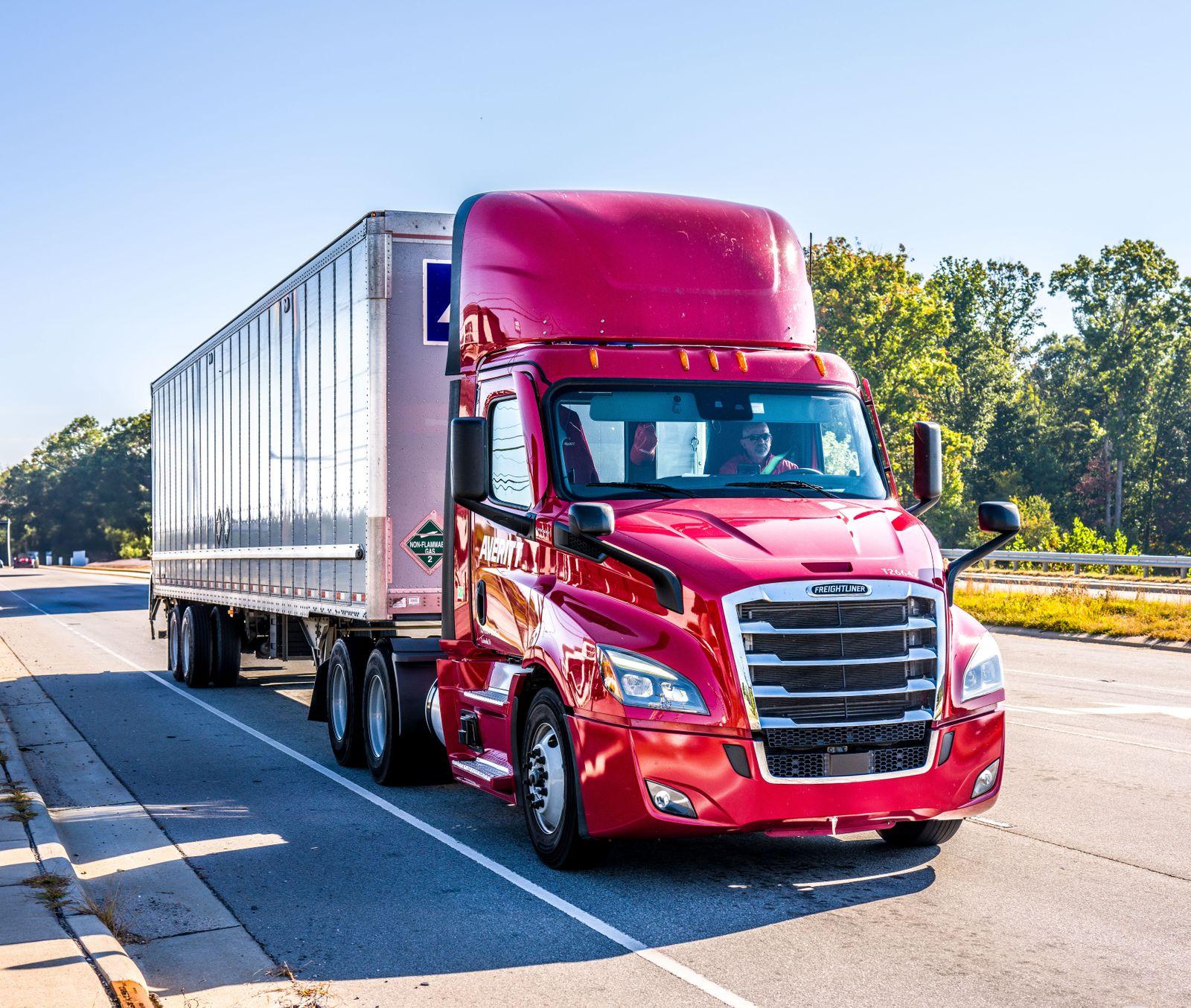
Primary auto liability
DetailsPays for injuries and property damage you cause to other people while driving your truck.
Every motor carrier with its own authority. Without it, your MC number cannot go active.
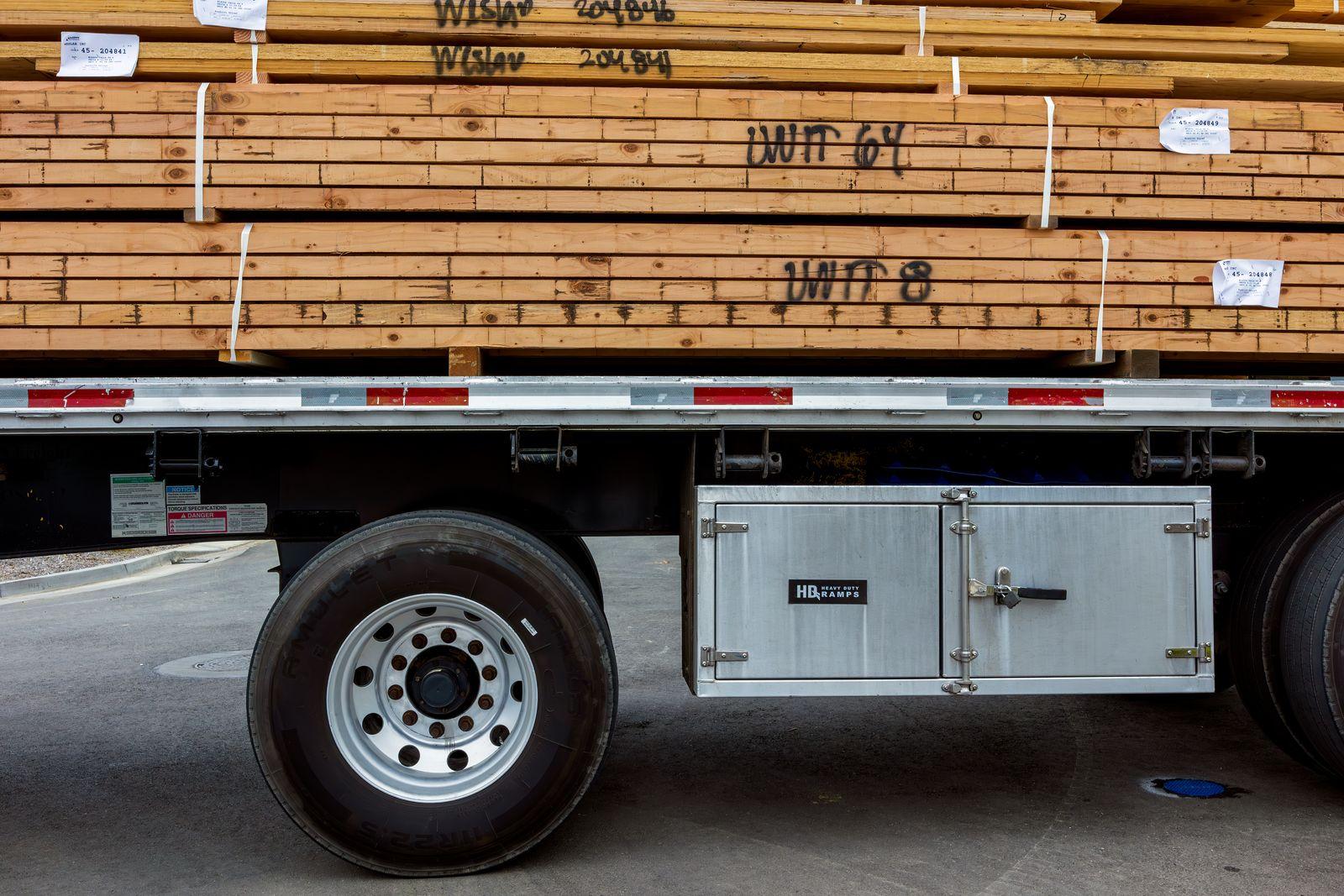
Motor truck cargo
DetailsPays for the freight on your trailer if it is damaged, destroyed, or stolen while in your care.
Any carrier hauling freight for brokers or shippers. Most load boards and broker contracts require it.
Physical damage
DetailsPays to repair or replace your own truck and trailer after a crash, fire, theft, or storm.
Owner-operators and fleets who could not pay to replace a truck out of pocket. If your truck is financed or leased, your lender will require it.
Bobtail and non-trucking liability
DetailsLiability cover for leased owner-operators for the miles their motor carrier's policy does not cover.
Owner-operators leased onto a motor carrier. Most lease agreements require you to carry one of these.
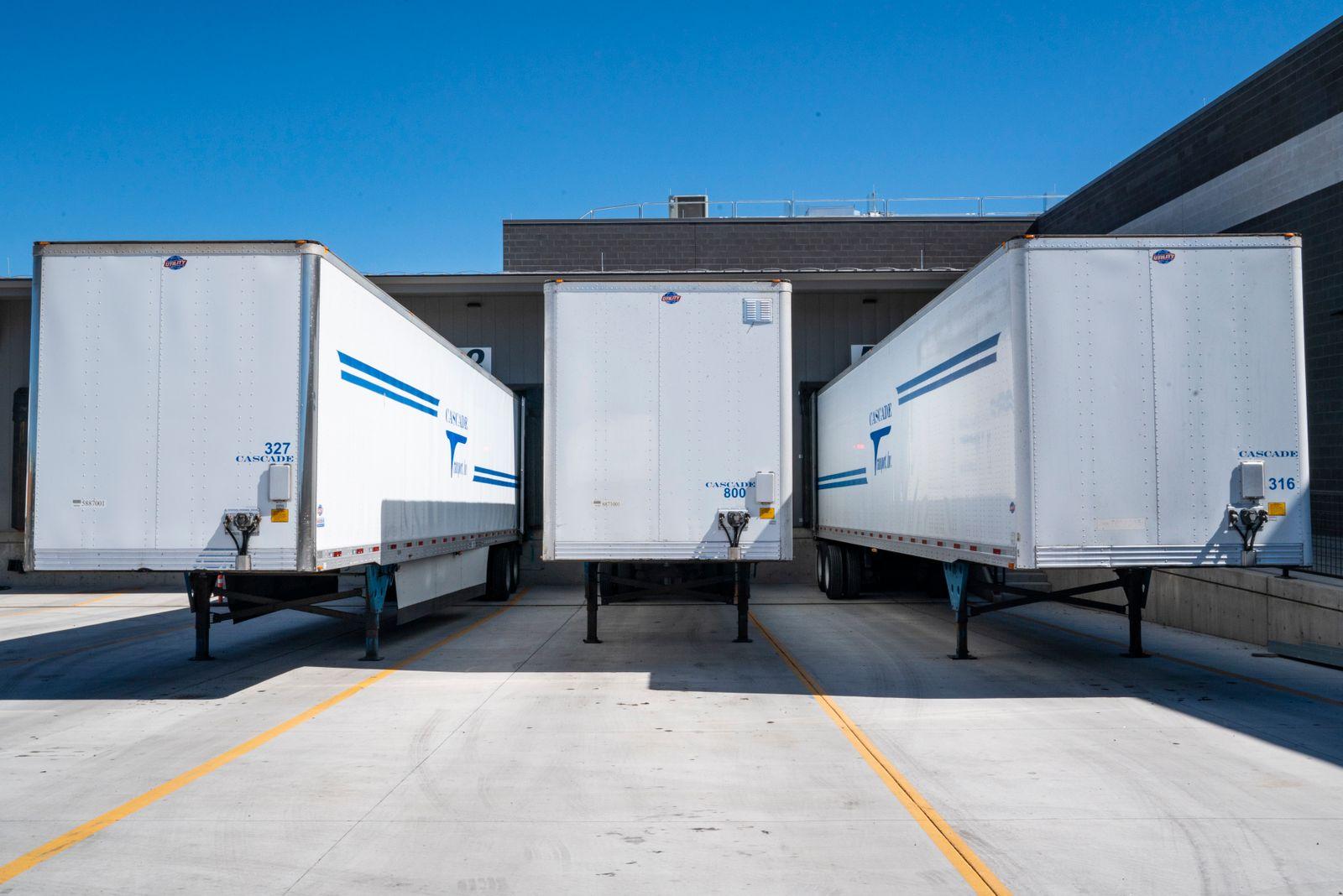
General liability
DetailsCovers business risks that have nothing to do with driving, like an injury at your yard or damage at a customer's dock.
Carriers with a yard, office, or shop, and anyone whose shippers or receivers ask for a certificate showing general liability.
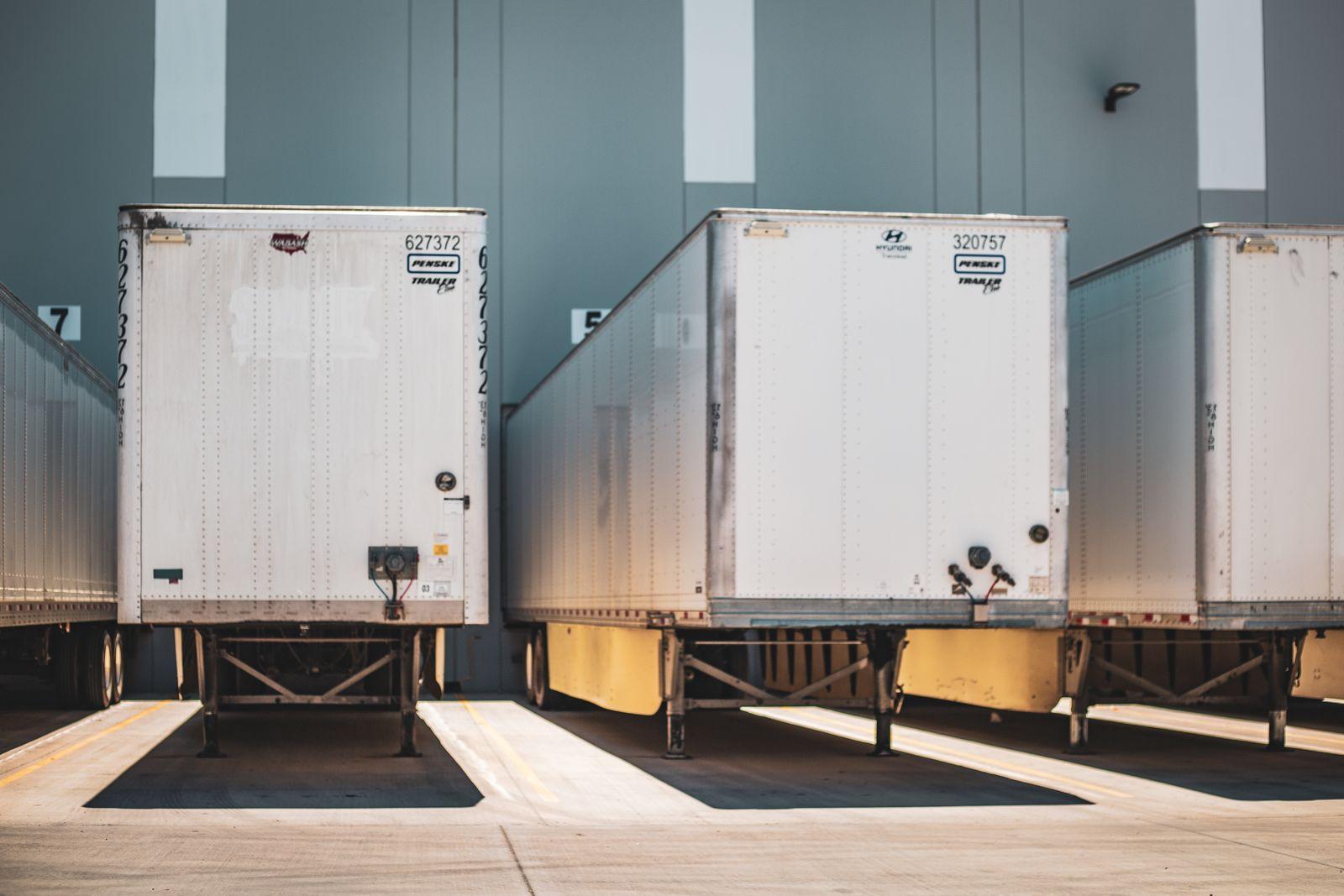
Trailer interchange
DetailsPays for damage to a trailer you do not own while you are pulling it under a written interchange agreement.
Carriers who swap trailers with other carriers, including intermodal and drop-and-hook work.
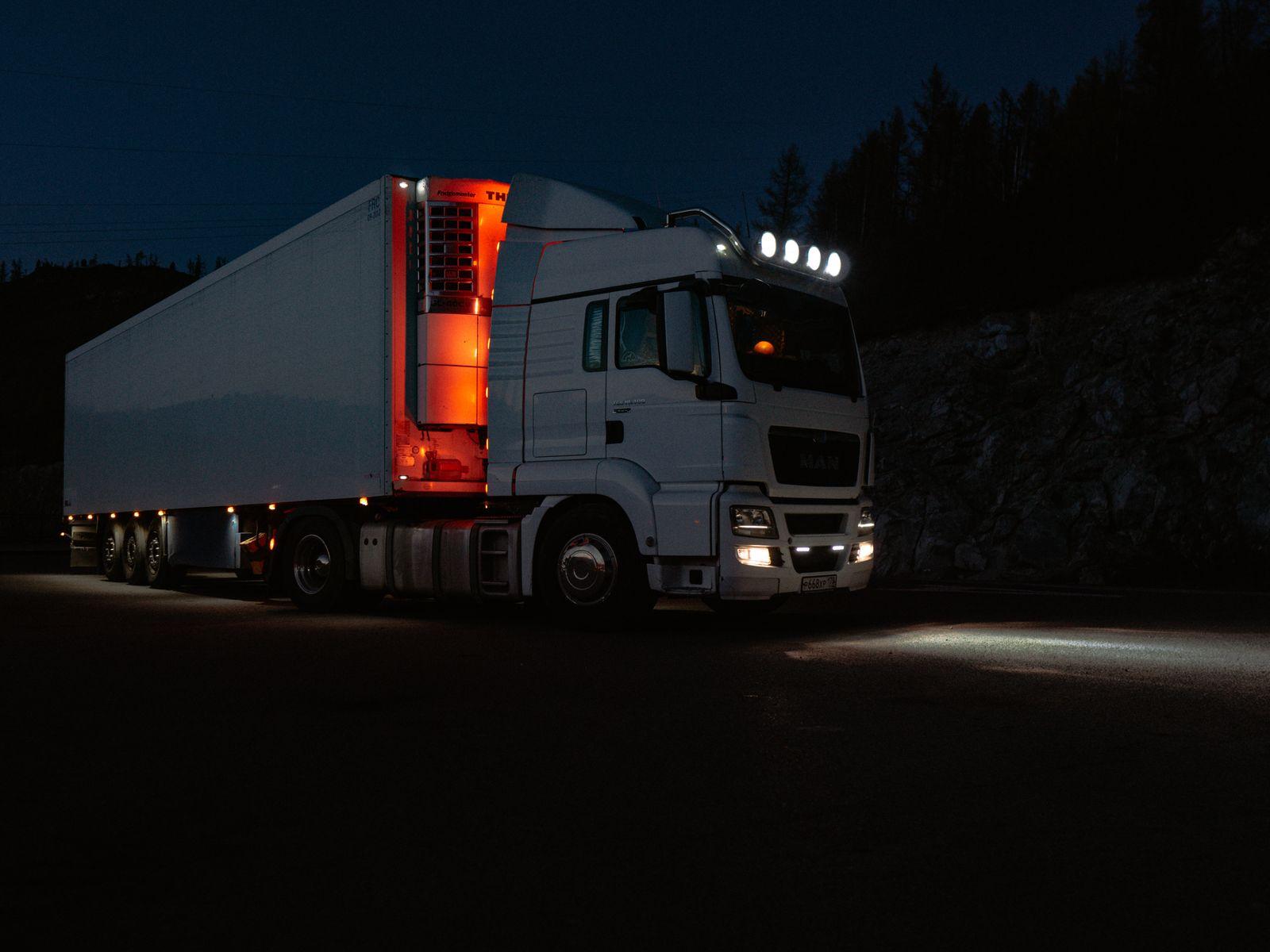
Reefer breakdown
DetailsPays for temperature-controlled freight that spoils because your refrigeration unit suddenly failed.
Any carrier running a reefer trailer. Without it, a standard cargo policy usually will not pay for spoilage.

Occupational accident
DetailsPays medical bills and lost income if an owner-operator is hurt on the job and has no workers' compensation.
Independent owner-operators, especially those leased to a carrier. Many carriers require it in the lease.